
HB 1300 came before the New Hampshire House on the last day of Session 2026. In a nutshell, this bill will mandate cities and towns to have placed on their Nov. 2026 and 2028 ballots the following question:
“Shall the [municipality] limit property tax growth for [name(s) of school district(s)] under RSA 32:5-i? If adopted for a two-year period: (1) the local property tax levy may not grow beyond the prior year’s amount, adjusted for inflation and new construction; (2) SAU central office spending may not exceed 6 percent of total school district appropriations; and (3) bonded capital costs are excluded from both limits. These caps apply only to administrative operations of the SAU central office and do not affect classroom instruction, school-based services, or other municipal expenditures. These limits may be overridden as provided in RSA 32:5-i. Adoption requires a three-fifths (3/5) majority vote.”
What brought us to this?
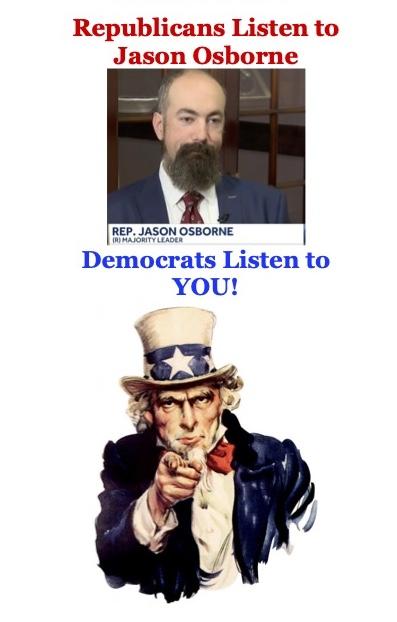
In 2025 and this past spring, many school districts had budget cap proposals on their warrants, which were soundly defeated. For example, in Jan. 2025, Kearsarge Regional School District voters strongly rejected a proposed tax cap on the school budget. Over 1,600 residents from seven district towns were in attendance. The warrant article failed with over 92% voting no; 1,435 to 113. This was not pleasing to Free State House Majority Leader Jason Osborne, who told WMUR, “We might have to put a leash on some of these local governments.” And to NH Journal, “Perhaps, if [local voters] are unwilling to cap themselves, the state will step in and cap local taxes for them.”
A threat to New Hampshire’s valued history of local control?
But this is just what the Free Staters began to do on June 4. With a vote of 183-170 and signed by Gov. Ayotte, HB 1300 will now appear on everyone’s ballot in about five weeks. To see how your representative voted click here, scroll down to “Roll Calls” then click on “(183-170)”.
This referendum is nothing more than a devious attempt to unconstitutionally sidestep the legislative and electoral process, after almost all school districts, with budget cap proposals on their warrants this spring and last year, saw them fail. Precedent was also set when, in 1999, the NH Supreme Court found a similar question amounted to an unconstitutional delegation of power by the Legislature. What the majority party does NOT tell us is, in order to reduce our burdensome property taxes the state needs to increase its court ordered share of school funding.
Another step taken in the unconstitutional direction by Free Staters.
Getting back to HB 1300, if passed, will undermine, even more so, the state’s responsibility to fully fund public education. Additionally, the proposed cap doesn’t factor in major costs like utilities, energy, health insurance, or higher transportation costs. While the Free Staters are touting this as “property tax relief”, it is anything but! Capping local taxes without providing new state revenue forces cities and towns to make desperate cuts or trade-offs, such as staff or program cuts. Districts that already struggle will be hit even harder. It does not cap municipal taxes, county taxes or the statewide education tax.
Who has been consistently repealing sources of state revenue while consistently voting to divert property tax dollars to their school voucher scheme?
This link contains a little more information on the bill itself such as: “Since 2007, the state's share of paying for public education here has dropped from about 35% to under 26%. That's not a typo — the state used to cover more than a third of the bill and now covers about a quarter. Guess who picked up the difference?”
And: “It bypasses the existing local process entirely — a process only 2 out of 162 districts in the whole state have ever successfully used — and puts a state-written question on every single ballot instead, whether your town asked for it or not.”
Local control under attack. Again.
On Tues., Nov. 3rd, we will vote not only for our choice of who can best represent us in the state’s best interests but also to begin the process of saying, “ENOUGH!” to the local government destroying Free Staters.